
Cooking less
by planning
smarter
A structured program for people who want food to stop being a daily problem.
Most people don't fail at eating well because they lack discipline. They fail because they're deciding what to eat at 7pm when they're already tired. This program builds the systems that remove that decision entirely - batch sessions, storage routines, and weekly rhythms that hold up in real life.
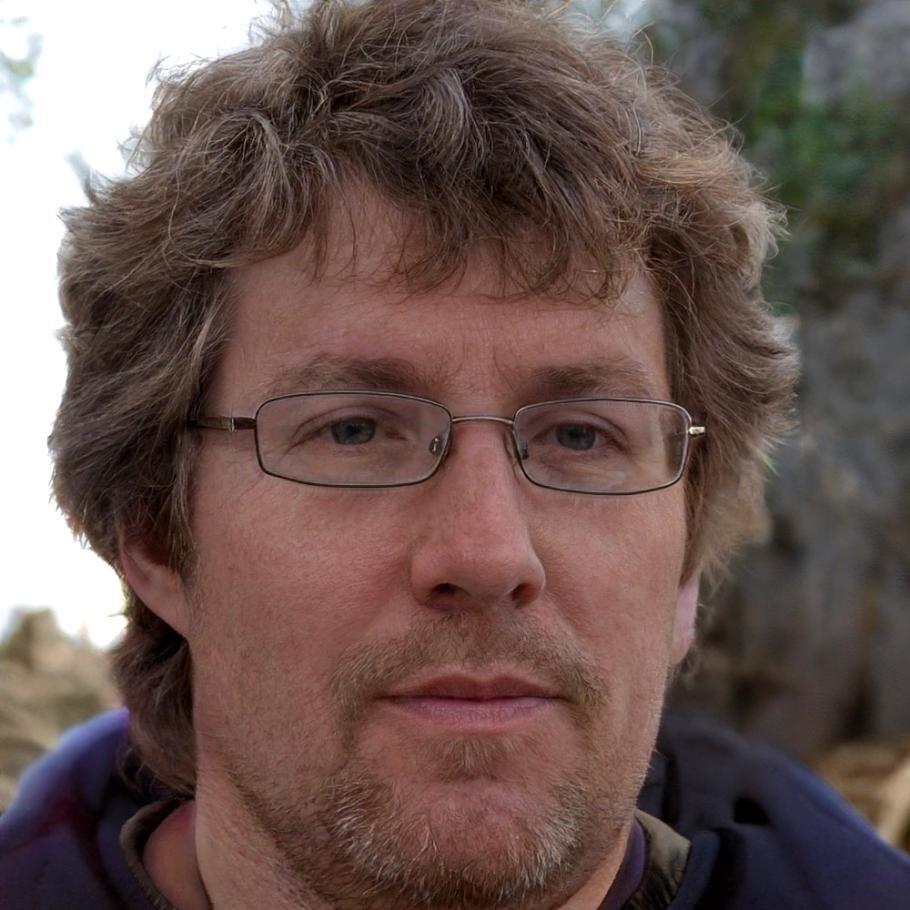
"I spent years teaching myself through trial and error. The program exists so you don't have to."
Tomasz Kwiecień
Lead Instructor
The people behind this
Who actually built it
Instructors with working kitchens, not just credentials
Tomasz spent eight years working in professional catering before shifting to education. The techniques in this program come from scaling meals for 60 people on tight timelines - adapted down to a household kitchen. That context shows in how the lessons are structured.
- Curriculum built from actual meal prep workflows, tested over multiple years with students across different lifestyles and schedules
- Each lesson maps to a specific weekly scenario - solo cooking, family batching, low-budget planning, or high-protein focus
- The team reviews and updates content regularly - recipes and methods reflect current ingredient availability and pricing in Poland
- Since 2017, the program has been refined through direct feedback from students - not from assumptions about what people need
After the course ends
What stays useful six months later
Skills that hold up when motivation doesn't
Repeatable weekly routines
You'll leave with a personal prep schedule that fits your actual week - not a generic Sunday ritual. Most students adapt it within the first month and keep it running without thinking much about it.
Flexible portioning logic
Understanding how to scale a batch up or down without recalculating everything from scratch. It's a small shift in how you read a recipe, but it changes how you shop, cook, and store food permanently.
Storage knowledge that reduces waste
Which containers, which temperatures, which foods degrade fastest and which hold for a week without losing texture. Practical knowledge that quietly saves money every time you open the fridge.
A working shopping system
Structured shopping lists tied to your prep plan, not to individual recipes. Fewer trips, less impulse buying, less food sitting unused at the back of the shelf.
The environment around you
Learning alongside people in the same situation
Students from across Poland - different cities, same practical problems
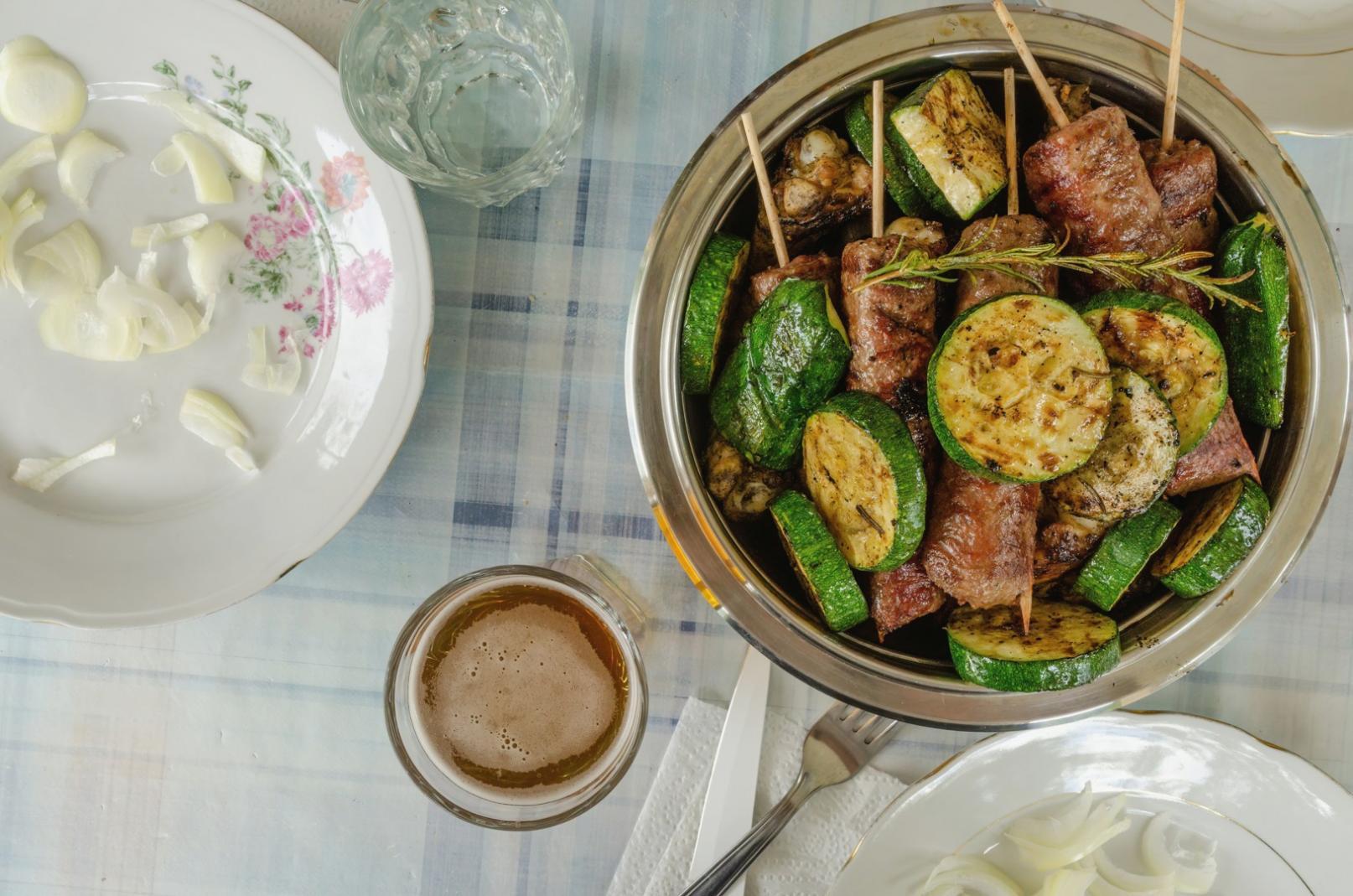
The platform brings together students from Gdańsk to Kraków, from smaller towns with no local cooking classes to cities where schedules simply don't allow for in-person anything. Geography stops being a reason not to learn something useful.
Inside the course, you'll find a group of people working through the same material at their own pace. Some are cooking for one, some for a family of four. The variety of contexts actually makes the discussions more useful - someone has already tried what you're about to attempt.